

Trying to figure out whether to fix or replace an appliance can feel like a real headache. Sometimes it’s just a quick repair, other times it’s a money pit. Knowing what to look for can save you stress and cash. This guide breaks it down so you can make the best choice for your home.
Key Takeaways
- Understand the typical lifespan of your appliances to decide if repair is worth it.
- Watch for signs like strange noises, bad smells, or poor performance to know when it’s time for action.
- Compare the cost of fixing your appliance to the price of a replacement to avoid overspending.
- Think about energy efficiency and modern features when considering a new appliance.
- Know when to try a DIY repair and when it’s safer to call in a pro.
Understanding the Lifespan of Common Appliances
Average Lifespan of Kitchen Appliances
Knowing how long your appliances are supposed to last can save you a lot of stress. Here’s a quick breakdown:
| Appliance | Expected Lifespan (Years) |
| Refrigerator | 10-15 |
| Dishwasher | 8-12 |
| Oven/Range | 10-20 |
| Microwave | 7-10 |
| Garbage Disposal | 8-12 |
These are just averages, though. How you use and care for them can make a big difference.
Factors That Shorten Appliance Lifespan
Some things can cause your appliances to wear out faster than expected. Here are a few common culprits:
Overuse: Running your dishwasher multiple times a day or overloading your washing machine can cause extra strain.
Improper maintenance: Skipping regular cleaning or ignoring small issues can lead to bigger problems.
Poor installation: If an appliance isn’t set up correctly, it might not work as efficiently or last as long.
If you’re experiencing any of these issues, don’t hesitate to call us for expert advice and service!
How to Extend the Life of Your Appliances
Want to get the most out of your appliances? Here are some tips:
- Clean regularly: Dust the coils on your fridge, clear out lint traps, and wipe down surfaces.
- Don’t overload: Stick to recommended capacities for washers, dryers, and dishwashers.
- Follow the manual: Use your appliances the way the manufacturer intended.
A little effort goes a long way. Taking care of your appliances not only saves you money but also reduces waste.
Signs Your Appliance Needs Repair
Unusual Noises or Smells
When your appliance starts making sounds that are out of the ordinary—like banging, grinding, or humming—it’s often a sign something’s not quite right. Similarly, strange odors, whether they’re musty or burnt, shouldn’t be ignored. These could point to mechanical issues or even potential safety hazards. For example, a burning smell from your washing machine might mean the motor is overheating. Don’t wait too long to address these signs, as they can lead to bigger problems down the road.
Decreased Efficiency or Performance
If your appliance isn’t doing its job as well as it used to, there’s likely an issue. A refrigerator that doesn’t keep food as cold or a dryer that takes two or three cycles to dry clothes could be a sign of worn-out components. Sometimes, these problems can be fixed, but other times, you might end up spending more on energy bills while trying to keep the appliance running. Efficiency matters, both for your wallet and for the environment.
Frequent Breakdowns and Repairs
Let’s face it: If you’re constantly calling the repair technician, it might be time to rethink keeping that appliance around. A good rule of thumb is to consider the “50% rule.” If the cost of repairs is more than 50% of the price of a new appliance, it’s probably time to replace it. And if your appliance is over a decade old, signs that appliances need replacing become even more apparent. Frequent breakdowns aren’t just annoying—they can also add up financially over time.
Ignoring early signs of trouble often leads to more expensive repairs or even complete appliance failure. Paying attention to these warning signs can save you time, money, and stress in the long run.
When Replacement Is the Better Option
Cost of Repairs vs. Replacement
When your appliance breaks down, the first thing you should do is weigh the cost of fixing it against the price of buying a new one. A simple rule of thumb is this: if the repair costs more than half the price of a new appliance, replacement is often the smarter choice. This is especially true for older appliances, which might need frequent repairs anyway. For example:
| Appliance Age | Repair Cost | Replacement Recommended? |
| Less than 5 years | 20% of new price | No |
| 6-10 years | 40% of new price | Maybe |
| Over 10 years | 50% or more | Yes |
If your appliance is over a decade old, it might be time to let it go. When deciding whether to repair or replace, consider the long-term savings and reliability of a new model.
Energy Efficiency and Modern Features
Older appliances often use more energy than newer, more efficient models. Upgrading could mean lower utility bills and access to modern features like smart technology or improved safety settings. For instance, a new refrigerator might have better temperature controls or a dishwasher could use less water per cycle. Over time, these improvements can save you money and make your life easier.
Safety Concerns with Older Appliances
Appliances that are outdated can sometimes pose safety risks. Worn-out wiring, malfunctioning parts, or even outdated safety standards can lead to hazards like electrical fires. If your appliance shows signs of wear that could compromise safety—like frayed cords or overheating—replacement is usually the safer bet. Our appliance repair services ensure that outdated or malfunctioning appliances are inspected and fixed to prevent safety hazards.
When in doubt, think about the bigger picture: the cost, energy savings, and safety of your home. Sometimes, replacing an appliance isn’t just about convenience—it’s about peace of mind.
Environmental and Financial Considerations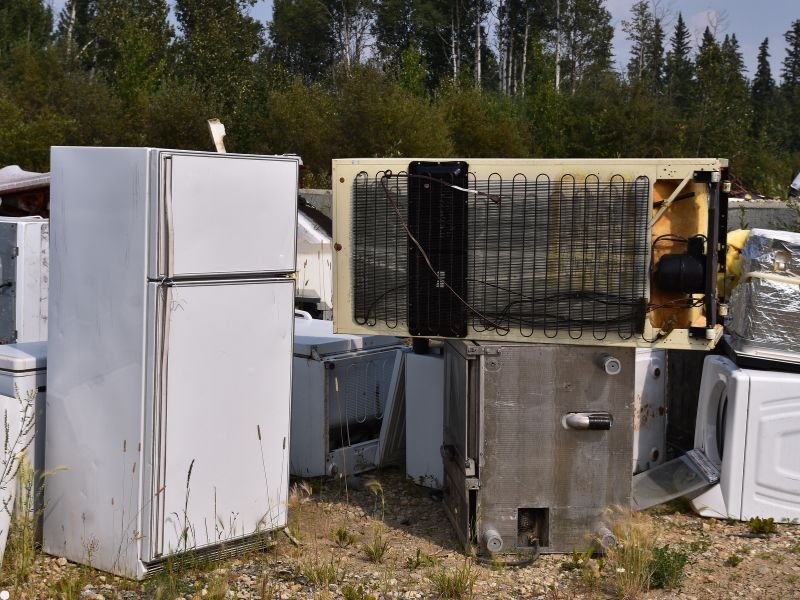
Recycling and Disposal of Old Appliances
When it’s time to part ways with an old appliance, chucking it in the trash isn’t the best move. Many household appliances contain materials like metals and plastics that can be recycled. Some even have hazardous components, like refrigerants, which need special handling. Check if your local waste management service offers appliance recycling or find a nearby drop-off center. Proper disposal not only helps the planet but can also save you from potential fines for improper disposal.
Energy Savings with New Models
New appliances are often way more energy-efficient than older ones. They’re built to use less electricity and water, which can lower your utility bills over time. For example, switching to an Energy Star-rated fridge could save you hundreds of dollars over its lifespan. Efficiency isn’t just good for your wallet—it’s a win for the environment too. Here’s a quick comparison:
| Appliance | Old Model Energy Use (kWh/year) | New Model Energy Use (kWh/year) |
| Refrigerator | 600-800 | 300-400 |
| Dishwasher | 300-400 | 200-250 |
| Washing Machine | 500-700 | 300-400 |
Budgeting for a New Appliance
Buying a new appliance can feel like a financial hit, but planning ahead makes it easier. Start by figuring out what you can afford and look for sales or financing options. Some stores offer payment plans, which can spread the cost out over time. Don’t forget to factor in potential energy savings when comparing costs. Here’s a tip: if your current appliance is still running but on its last legs, start saving now so you’re ready when it finally gives out.
Thinking ahead about energy efficiency and recycling can turn what feels like a chore into a chance to save money and help the environment. Need help choosing the right appliance or financing option? Call us today!
DIY Repairs vs. Professional Help
Simple Fixes You Can Do Yourself
Sometimes, you can save money and time by tackling minor appliance issues on your own. For example:
- Cleaning clogged filters in your dishwasher or washing machine.
- Replacing burnt-out lightbulbs in your fridge.
- Tightening loose screws or handles on doors.
These are straightforward fixes that don’t require special tools or expertise. Always consult your appliance’s manual for guidance, and remember to unplug the device before attempting any repair. Safety first!
When to Call a Professional Technician
There are times when DIY just isn’t the way to go. If you’re dealing with complex electrical components, refrigerant issues, or gas lines, it’s best to leave it to a professional. Attempting these repairs without proper training can lead to injury or further damage. Plus, many warranties require professional service to stay valid. Don’t risk voiding your coverage!
Risks of Attempting Complex Repairs
Trying to fix something beyond your skill level can backfire. You might end up spending more money correcting your mistakes than if you’d called a technician in the first place. And let’s be honest—some repairs are just plain dangerous. If you’re unsure, it’s better to err on the side of caution.
Knowing when to step back and call for help can save you time, money, and frustration in the long run. It’s not about giving up—it’s about making the smart choice.
Evaluating Warranty and Insurance Options
Understanding Manufacturer Warranties
When you buy a new appliance, it usually comes with a manufacturer warranty. These warranties typically cover defects in materials or workmanship for a limited period, often one year. It’s important to read the fine print to know what’s included and what’s not. For example, some warranties might only cover specific parts, while others include labor costs too. Always keep your receipt or proof of purchase handy because you’ll need it if you make a claim.
Extended Warranty Plans: Are They Worth It?
Extended warranties can be a lifesaver—or a waste of money. These plans kick in after the manufacturer warranty expires, covering repairs or replacements for a longer time. Before signing up, compare the cost of the plan to potential repair expenses. Some of the top appliance warranty plans include Liberty Home Guard, 2-10 Home Buyers, and Cinch Home Services. If your appliance is low-cost or nearing the end of its lifespan, an extended warranty might not make sense. But for high-end appliances? It could save you big bucks in the long run.
Home Insurance Coverage for Appliances
Did you know your home insurance might cover certain appliances? Policies often include protection against damage from events like fires, floods, or theft. However, they don’t usually cover mechanical breakdowns. Check your policy details to see what’s included. If you’re unsure, call your insurance provider for clarification. You might even be able to add extra coverage for specific appliances if needed.
Warranties and insurance can seem confusing, but taking the time to understand your options can save you money and stress later on.
How to Choose the Right Replacement Appliance
Key Features to Look For
When you’re shopping for a new appliance, it’s easy to get overwhelmed with all the options out there. Start with the basics: what do you need this appliance to do? For instance, if you’re replacing a refrigerator, think about capacity, layout (like French doors or side-by-side), and cooling technology. For a washing machine, consider load size, efficiency, and whether you prefer top-load or front-load.
Here’s a quick breakdown of features to keep in mind:
- Energy Efficiency: Look for Energy Star ratings to save on utility bills.
- Size and Fit: Measure your space carefully to avoid headaches later.
- Noise Levels: Especially important for appliances like dishwashers and washing machines.
- Smart Features: Do you need Wi-Fi connectivity or app controls? These can be handy but aren’t for everyone.
Matching Your Appliance to Your Lifestyle
Your lifestyle plays a big role in choosing the right appliance. Are you someone who cooks a lot or just reheats leftovers? A high-tech oven might be overkill if you’re the latter. Families with kids might prioritize durable and easy-to-clean materials, while singles or couples might focus on aesthetics and compact designs.
Think about these questions:
- How often will you use this appliance?
- Do you need extra capacity for a growing family?
- Are there specific features that would make your life easier, like a delay start or self-cleaning modes? Ready to find the perfect appliance for your lifestyle? Contact us today to get expert advice and personalized recommendations!
Reading Reviews and Comparing Brands
Before you swipe your card, take some time to research. Customer reviews can be a goldmine of information. They’ll tell you what works and what doesn’t in real-life situations. Look for patterns—if multiple people mention the same flaw, it’s probably a valid concern. Always balance cost with quality. A cheaper appliance might save you money now but could cost more in repairs or replacements down the line.
For more tips on navigating the appliance purchasing process, check out this comprehensive buying guide.
Wrapping It Up: Repair or Replace?
So, there you have it. Deciding whether to fix or toss your household appliances isn’t always a clear-cut choice. Sometimes, a quick repair can save you money and keep things running smoothly. Other times, it’s just not worth the hassle, and getting something new makes more sense. Think about the age of the appliance, how much the repair will cost, and whether it’s still doing its job well. At the end of the day, it’s about what works best for you and your home. Hopefully, this helps make the decision a little easier next time something breaks down.
Frequently Asked Questions
How long do household appliances usually last?
The lifespan of household appliances varies. For example, refrigerators can last about 10-15 years, while microwaves might only last around 5-10 years. Proper care can help them last longer.
What are common signs that an appliance needs repair?
If your appliance is making strange noises, has a burning smell, or isn’t working as well as it used to, it might need a repair. Frequent breakdowns are also a big clue.
When should I replace an appliance instead of repairing it?
If the cost to fix your appliance is more than half the price of a new one, it’s usually better to replace it. Also, older models may not be as energy-efficient as newer ones.
Are newer appliances more energy-efficient?
Yes, most modern appliances are designed to use less energy. They can save you money on your utility bills and are better for the environment.
Can I fix my appliance myself?
Some small problems, like cleaning a clogged filter, can be fixed at home. But for bigger issues, it’s safer to call a professional.
What should I do with my old appliance when I get a new one?
You can recycle your old appliance, donate it if it still works, or check if the store where you buy your new one offers disposal services.